Sita Navami marks the birth anniversary of Goddess Maa Sita, the wife of Lord Shri Rama. The festive of Sita Navami is also known as Sita Jayanti. In many regions, this festival is also popularly known as Janki Navami, which is celebrated with great devotion. It is celebrated on the Shukla Paksha (Waxing Moon Period) of the Navami Tithi in the month of Vaishakh (May-June) as per the Hindu calendar. It is quite interesting to find that Lord Shri Rama was also born on Navami Tithi, similar to Maa Sita, during the Shukla Paksha of Chaitra month, and his birth anniversary is known as Ram Navami. In the Hindu calendar, Sita Jayanti falls after one month of Rama Navami.
Also Read: When is Ram Navami Celebrated?
Mata Sita, also lovingly known as Janaki, was the adopted daughter of King Janaka of Mithila. That is why this sacred day is also celebrated as Janaki Navami. According to Hindu mythology, while King Janaka was ploughing the land to perform a Yagya, he discovered a divine baby girl resting inside a golden casket buried in the earth. Since she was found in a ploughed field — which is called Sita in Sanskrit — the King named her Sita, the daughter of the Earth and the embodiment of purity and virtue.
As per the tradition, married women observe a fast on this day to pray for the long life and well-being of their husbands, just as Mata Sita prayed for Lord Rama’s safety and welfare during her abduction by Ravana.
Mata Sita’s chastity and purity were so powerful that, even though she was taken away and kept imprisoned by Ravana, the Demon King could not approach her. She constantly meditated upon the name of Shri Rama, and the divine energy she generated through her meditation was so intense that it could burn to ashes anyone who dared to come near her without her consent.
When she was finally rescued, Mata Sita had to undergo the Agni Pariksha (ordeal by fire) to prove her purity. Later, despite her innocence, Lord Rama was compelled to banish her from Ayodhya because some of his subjects questioned her chastity.
Mata Sita spent the remainder of her life in the forest, where she gave birth to two valiant sons—Lava and Kusha. In the end, when her trials were over, she called upon Mother Goddess Earth to take her back, returning to the womb of the earth from where she had originally emerged.
For centuries, millions of women have drawn inspiration from Mata Sita’s life—her strength, patience, devotion, and unwavering virtue continue to guide and empower generations.
So, let’s get to know more about the Date, Rituals, and Significance of Sita Navami.
Sita Navami 2026: Date, Muhurat, and Timings
This year, Sita Navami will be observed on Saturday, April 25, 2026.
Sita Navami Madhyahna Muhurat: 11:20 a.m. to 01:55 p.m.
Duration: 02 hours 35 mins
Rama Navami is on Thursday, March 26, 2026
- Sita Navami Madhyahna Moment: 12:18 p.m
- Navami Tithi Starts: 07:21 p.m. on April 24, 2026
- Navami Tithi Ends: 06:27 p.m. on April 25, 2026
Find Out Date and Muhurat of Ram Navami 2026
Significance of Sita Navami/Janki Navami
Sita Navami is significant because Sita is a highly revered and respected figure in Hindu culture. She is considered to be the incarnation of Goddess Maa Lakshmi, the beloved consort of Lord Shri Vishnu. Maa Sita is also known for her virtues of purity, devotion, and sacrifice, and is regarded as the epitome of ideal womanhood.
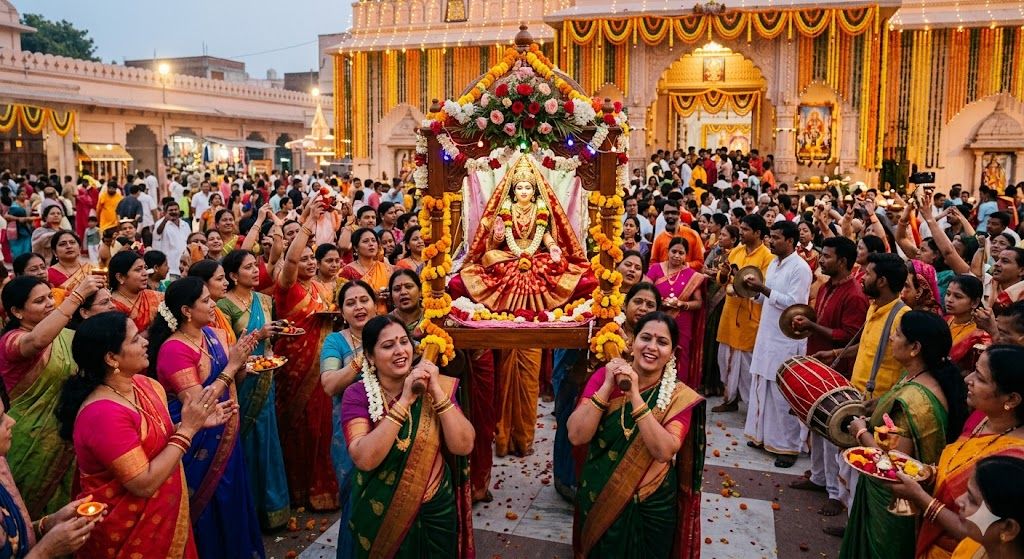
On this day, devotees observe fasts, perform special pujas, and recite prayers and hymns in praise of Mata Sita. Many also participate in the processions and organise cultural programs to celebrate the occasion. The festival is particularly popular in the northern parts of India, especially in Uttar Pradesh, Bihar, and Madhya Pradesh.
In essence, Sita Navami is a celebration of the divine feminine and serves as a reminder of the importance of virtues such as purity, devotion, and sacrifice in our lives. It is also an occasion to seek blessings from Maa Sita for prosperity, happiness, and spiritual well-being.
Overall, Sita Navami is a day of deep spiritual significance, observed with devotion, reverence, and rituals dedicated to seeking divine blessings and good fortune.
Sita Navami 2026 Vrat Puja Vidhi
Sita Navami is observed by fasting and performing puja (worship) to honour and seek the divine blessings of Goddess Maa Sita. So, let’s find out here about how to observe Sita Navami vrat.
- Fasting: Devotees observe a strict fast on Sita Navami. Some may consume only water and fruits, while others may abstain from all food and drink.
- Puja Vidhi: On this day, devotees worship Maa Sita and Lord Shri Rama with deep devotion and reverence. A special puja is performed in the morning after taking a bath and wearing clean clothes. Offerings of flowers, fruits, and sweets are made to the deities.
- Reciting mantras and prayers: Devotees recite hymns and prayers in praise of Maa Sita, Shri Rama, and other deities associated with the festival.
- Charity: Donating to the poor and needy is considered an act of virtue on Sita Navami. Devotees may donate money, clothes, or food to the needy and poor people.
- Spiritual practice: Sita Navami is also an occasion to deepen one’s spiritual practice. Devotees may spend time in meditation, reading spiritual texts, or performing other spiritual practices.
It is important to note that the exact rituals and practices for observing Sita Navami vrat may vary depending on the region and tradition. It is advisable to consult a priest or an expert in Hindu rituals for guidance on the specific practices to be followed.
Also Read: The Importance of Maa Lakshmi Puja to Attract Wealth and Prosperity
Mythological Legends Behind Sita Navami
The legend behind Sita Navami revolves around the birth of Maa Sita, the consort of Lord Shri Rama, who is a central figure in the Hindu epic Ramayana. Here is a summary of the legend.
According to the legend, Sita was born to King Janaka and Queen Sunaina of Mithila on the Navami tithi (ninth day) of the Shukla Paksha (bright half) of the Hindu month of Vaishakha. She was found by Janaka while he was ploughing the field, and he adopted her as his own daughter.
As Sita grew up, she gained a reputation for her beauty and virtues. She eventually married Lord Rama, the prince of Ayodhya, after he successfully broke the bow of Lord Shiva at a swayamvar ceremony. Maa Sita accompanied Lord Rama to the forest during his exile, where she was abducted by the demon king Ravana. Rama, along with his brother Lakshmana and with the help of an army of monkeys led by Hanuman, rescued Sita from King Ravana’s captivity.
The legend of Sita Navami is significant because it celebrates the birth of Sita, who is revered as the embodiment of purity, devotion, and sacrifice. Mata Sita’s story is seen as an example of the triumph of good over evil, and her devotion to Lord Rama is regarded as the ultimate expression of love and loyalty. The festival is also seen as an occasion to seek blessings from Maa Sita for prosperity, happiness, and spiritual well-being.