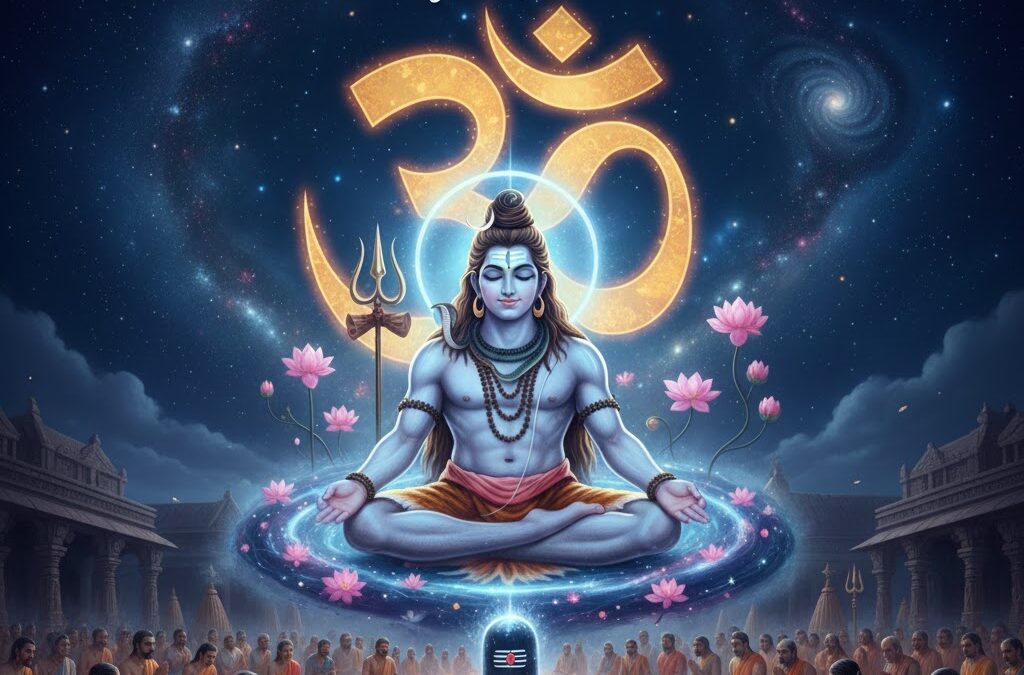
Maha Shivaratri, one of the most sacred festivals in Hinduism, is celebrated with unparalleled devotion and spiritual fervor. Translating to ‘The Great Night of Shiva’, this auspicious occasion falls on the 14th night of the dark fortnight in the Hindu calendar of Phalguna (February-March). The festival is dedicated to worshiping Lord Shiva, the cosmic destroyer and one of the principal deities of the Hindu Trinity, alongside Brahma (the creator) and Vishnu (the preserver).
When is Maha Shivratri – Date and Day
In 2026, Maha Shivratri will fall on Sunday, February 15, 2026.
Day: Sunday
Date: February 15, 2026.
Significance of Maha Shivratri
Maha Shivaratri holds deep spiritual and divine significance. Unlike most Hindu festivals that celebrate light and prosperity, Shivratri is a night of worship and connection with the divine. It symbolizes the triumph of ignorance over wisdom, the shedding of ego, and the attainment of spiritual enlightenment.
According to Hindu mythology, Maha Shivratri marks the day Lord Shiva performed the immortal dance of creation, preservation, and destruction—the Shiv Tandava. It is also believed to be the night when Shiva and Maa Parvati united through the marriage ritual, symbolizing harmony in the universe.
Rituals and Traditions
Devotees across India and the world observe Maha Shivaratri through a variety of rituals, each infused with deep devotion and reverence:
- Fasting (Upavasa): Many devotees undertake strict fasting as a way of purifying their body and soul. Some opt for a complete fast, consuming only water, while others eat fruits or light vegetarian meals.
- Nightlong Vigil (Jagran): Staying awake all night is a central practice. Temples resonate with the chanting of “Om Namah Shivaya,” and hymns like Shiva Chalisa fill the air with divinity.
- Lingam Worship: Devotees offer prayers to the Shiva Lingam, an iconic representation of Lord Shiva’s energy and power. Offerings include milk, honey, ghee, and Bilva leaves, believed to be highly auspicious.
- Meditation and Chanting: Meditative practices and the recitation of Shiva’s mantras, such as the Maha Mrityunjaya Mantra, help devotees connect with Lord Shiva on a deeper, spiritual level.
Temple Visits: Temples dedicated to Lord Shiva, such as Kashi Vishwanath (Varanasi), Somnath (Gujarat), and Mahakaleshwar (Ujjain), witness massive crowds of devotees seeking blessings.
Find more about Lord Shiva’s 12 Jyotirlingas here
Maha Shivratri Stories and Legends
Numerous legends are associated with Maha Shivaratri, adding layers of meaning to its celebration:
- Samudra Manthan (Churning of the Ocean): During the churning of the cosmic ocean by gods and demons, a deadly poison, Halahala, emerged. Lord Shiva consumed the poison to save the universe, holding it in his throat, which turned blue, earning him the name Neelkanth.
The Hunter and the Lingam: A hunter unknowingly offered Bilva leaves to a Lingam while taking shelter in a tree. This accidental act of devotion brought him liberation, highlighting the forgiving and compassionate nature of Lord Shiva.
Maha Shivaratri’s Celebrations
In today’s fast-paced world, Maha Shivaratri serves as a reminder to pause and reflect. The festival’s emphasis on meditation, self-discipline, and surrender to the divine resonates deeply with modern seekers of peace and purpose. Celebrating this night can inspire individuals to embrace balance, overcome negativity, and foster spiritual growth.
Conclusion
Maha Shivratri is more than just a festival; it’s a cosmic opportunity to align with Lord Shiva’s divine energy. As you celebrate this sacred night, may the blessings of Lord Shiva bring peace, prosperity, and spiritual fulfillment into your life.
|| Om Namah Shivaya ||