
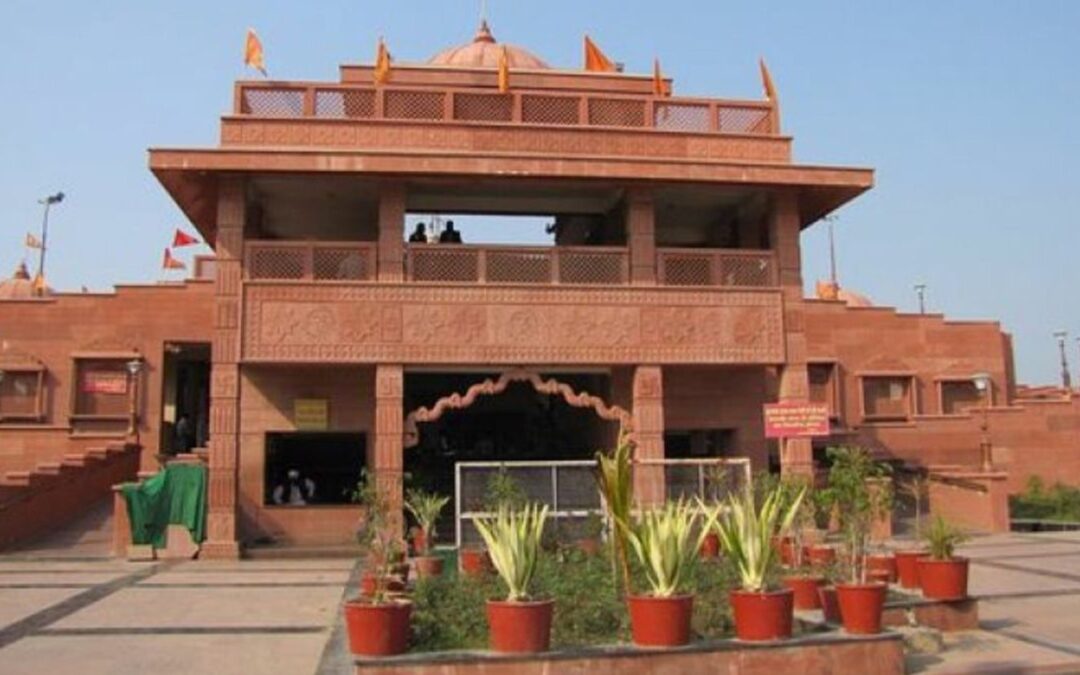
Mangalnath Mandir, Ujjain
Mangalnath Temple is a very popular temple located in Ujjain, Madhya Pradesh, India. It is dedicated to Lord Mangal, who represents the planet Mars, one of the nine planets in Hindu astrology. The temple is believed to be one of the most ancient temples in India and is also considered to be a prominent pilgrimage site in India. It is said that in ancient times, it was quite popular for a clear view of the planet Mars, and hence suitable for astronomical studies. Moreover, Lord Mahadev or Shiva is the deity who is worshipped in the temple of Mangalnath.
According to Hindu mythology, the temple is situated at the exact spot where Lord Mangal was born to Lord Shiva and Goddess Parvati. It is believed that Lord Mangal (Mars) is the guardian deity of the city of Ujjain, and his blessings are very crucial for the well-being of the city and its residents.
The temple is situated on the banks of the Shipra River and is surrounded by a large number of ashrams and other religious institutions. It is also known for its scenic beauty and is a popular spot for tourists and pilgrims alike.
The temple is usually crowded with devotees on Tuesdays, which is considered to be the day of Lord Mangal (Mars). The premises of this temple also host a number of festivals throughout the year, including the 9-day-long Navratri festival and the Shivratri festival.
Temple History of Mangalnath Mandir, Ujjain
The history of Lord Mangalnath Temple dates back to ancient times and is closely associated with the rich cultural and religious heritage of the city of Ujjain.
According to Hindu scriptures, Lord Mangal or Mars was born to Lord Shiva/Mahadev and Mata Parvati at the site where the temple is now located. It is believed that the temple was built on this spot to commemorate the birth of Lord Mangal.
Additionally, the temple is also mentioned in various ancient Hindu texts, including the Skanda Purana and the Matsya Purana. According to the Matsya Purana, the temple is situated at the very spot where Lord Shiva engaged in a fierce battle with the demon Andhakasura. During the battle, a single drop of sweat fell from Lord Shiva’s forehead onto the ground, creating the Shiva Linga that is now enshrined within the temple.
The Mangalnath Temple in Ujjain has a history dating back several centuries and is said to have been reconstructed by the Scindia royal family. It is believed that the temple was renovated and rebuilt several times over the centuries by various rulers and patrons, as the temple was frequently plundered by foreign invasions.
During the medieval period, the temple came under the patronage of the Maratha rulers of the Holkar dynasty. The temple was further renovated and expanded during this period, and the present-day structure is believed to have been built then.
The temple has also played an important role in the religious and cultural life of Ujjain. It is believed that the temple served as a centre for the study of astrology and other related sciences, and many renowned scholars and astrologers were associated with the temple.
Today, the temple is considered to be one of the most important pilgrimage sites in India and attracts a large number of devotees and tourists every year.
Importance of Mangalnath Mandir
The Mangalnath Temple holds great significance for devotees of Lord Mangal (Mars) in Hinduism. Lord Mangal is believed to be one of the nine planets in Hindu astrology, and is regarded as the god of war, courage, and victory.
According to Hindu mythology, it is said that Lord Mangal was born at the site where the temple is located. Therefore, the temple is considered to be an important pilgrimage site for followers of Hinduism, especially those who seek the blessings of Lord Mars for strength, courage, and success.
Also, the Mangalnath Temple in Ujjain is a place of great importance for those seeking the blessings of the Navagrahas, or the nine planets in Hindu astrology. The temple is particularly renowned for its Bhaat Puja, which is considered to be a crucial ritual for devotees to seek wealth, courage, and agility. Mangalnath mandir also holds significance for performing Yagyas and rituals for the resolution of Navgrah Dosha.
Also Read: How to Perform Grah Shanti Puja?
Many people believe that by worshipping Lord Mangal at the Mangalnath Temple, they can overcome the negative effects of the planet Mangal and attain freedom from its malefic influence. As a result, the temple sees a significant influx of visitors each year, including newlywed couples who come to perform the Lord Mangalnath Puja seeking divine blessings and protection.
In addition to its religious significance, the temple also has cultural and historical significance. It is one of the oldest and most revered temples in Ujjain, which is considered to be a prominent centre of Hindu culture and spirituality. The temple also played a crucial role in the development of Indian astrology and other related sciences, making it an important centre of learning in ancient times.
Overall, the Mangalnath Temple is considered to be a sacred place for devotees seeking the blessings of Lord Shiva and getting relief from the malefic effects of Mangal Grah. The temple is visited by numerous pilgrims and tourists seeking spiritual and cultural enrichment.